Learn Spanish with Woodward Spanish!
Learn Spanish with our free Spanish language courses and lessons for beginners to advanced level students.
Free Spanish Courses
Including General Spanish, DELE exam and Science lessons.
Teacher Resources
Worksheets, Task Cards, Flash Cards and our printable Summary Charts.
25 Years of Excellence
Woodward Education has been teaching languages around the world since 1997.
Woodward Spanish Lessons
Woodward Spanish Lessons
Free Spanish Course
18 lessons
Woodward Spanish is creating this free Spanish course that is open to anyone around the world. (www.woodwardspanish.com)
Spanish Grammar Lessons
36 lessons
Free Spanish grammar lessons. Most of these lessons are explained in SPANISH. Lecciones de gramática explicadas en español. (www.spanish.cl)
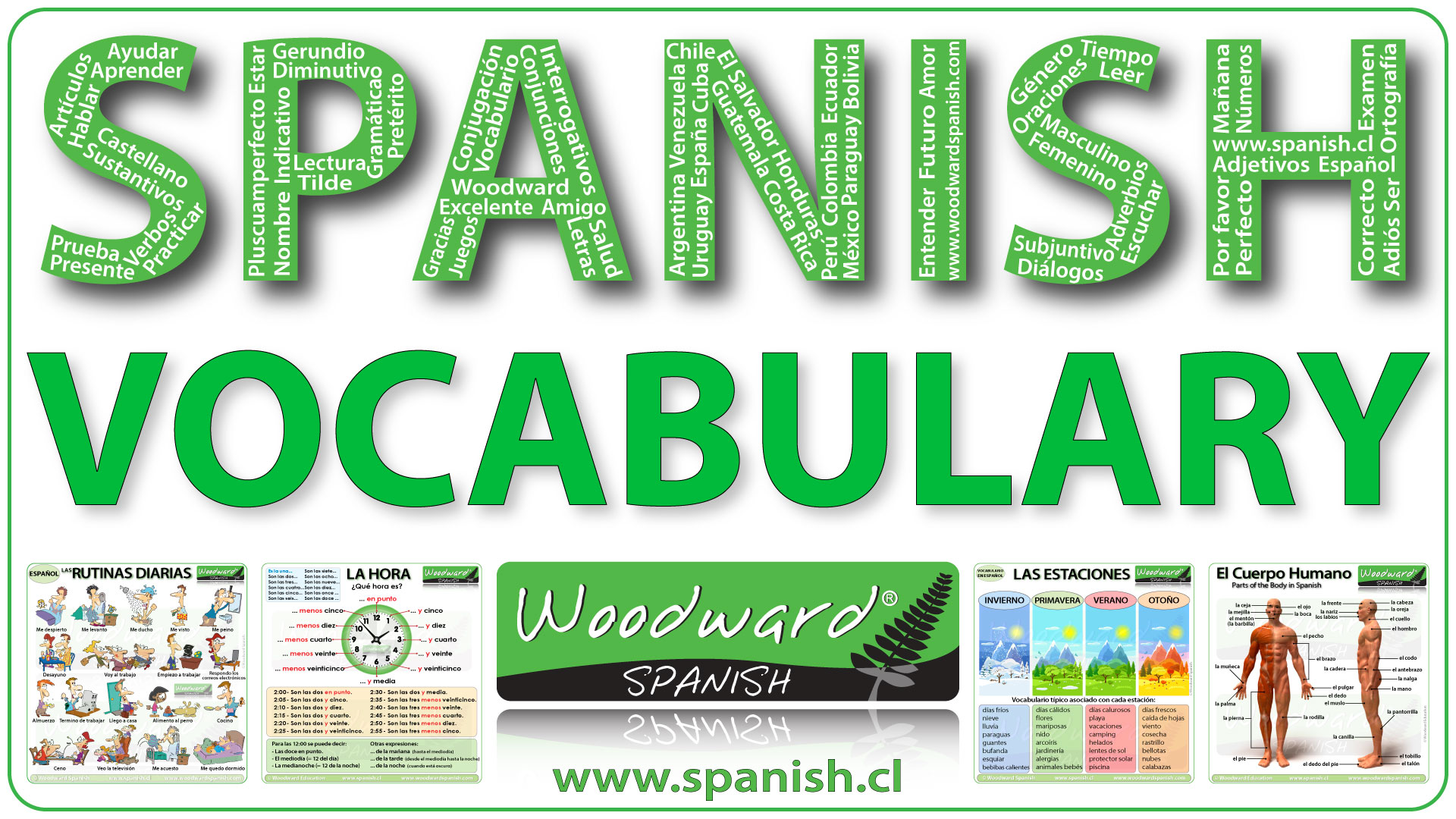
Spanish Vocabulary Lessons
62 lessons
Free Spanish vocabulary lessons. Most of these lessons are explained in SPANISH. Lecciones de vocabulario explicadas en español. (www.spanish.cl)
Spanish Teacher Resources
Spanish Teacher Resources
Large variety of resources for Spanish teachers
Includes: Lesson plans, Spanish grammar / vocabulary worksheets, flash cards, task cards, PowerPoint presentations, 5-minute fillers, classroom signs, word searches, crosswords, our famous Spanish summary charts, and games / activities that allow students to become actively engaged in their learning.
Used in over 45,000 classrooms around the world
Our Spanish resources have been used in over 45,000 classrooms around the world. They can be purchased and downloaded via the trusted Teachers Pay Teachers website.
Save time doing lesson preparation
We know teachers spend hours every week outside the classroom preparing for their lessons. Our photocopiable resources will save you precious time as they are ready to be printed and used in the classroom.
Help me to help others
Purchasing any of our teacher resources allows me to continue creating more free Spanish language resources for students on YouTube and other social media.
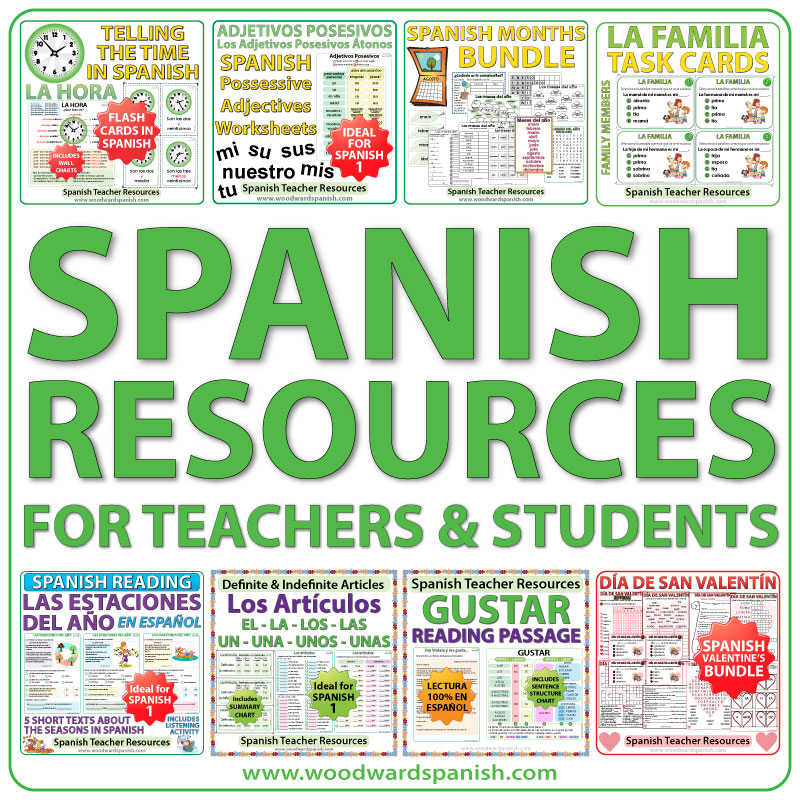
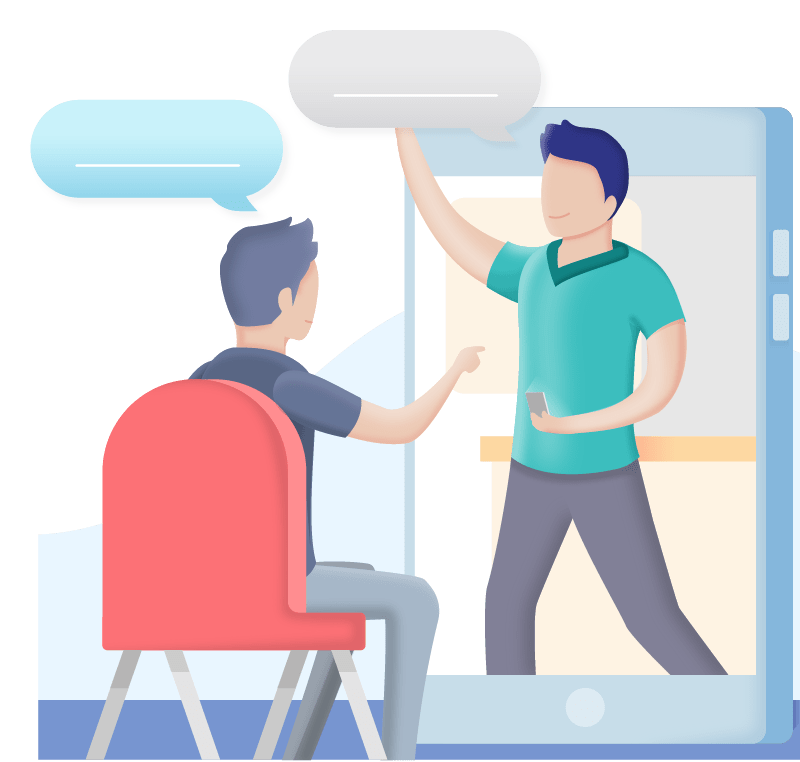
LEARN SPANISH AT HOME OR WORK
Learn Spanish on YouTube
You can learn Spanish at home or your workplace via our popular YouTube channel with over 17,200 subscribers and 2.5 million views. You don’t need to travel across town to go to a physical building, you can take our lessons from anywhere where there is an internet connection.
Woodward spanish
Who are we?
Rob Woodward discovered his passion for teaching in 1997.
In 2002 Rob and his wife Angélica started a language school in Santiago, Chile and had thousands of students including diplomats, politicians, international CEOs and TV stars.
We created material for our students and published them online. Other teachers and schools began using our material and Woodward Spanish became very well-known online for its free charts and lessons. We then decided to dedicate our time and knowledge to helping as many people learn languages online for free.
We are now based in New Zealand.
LANGUAGES
LESSONS
Monthly Visitors
Learn Other Languages
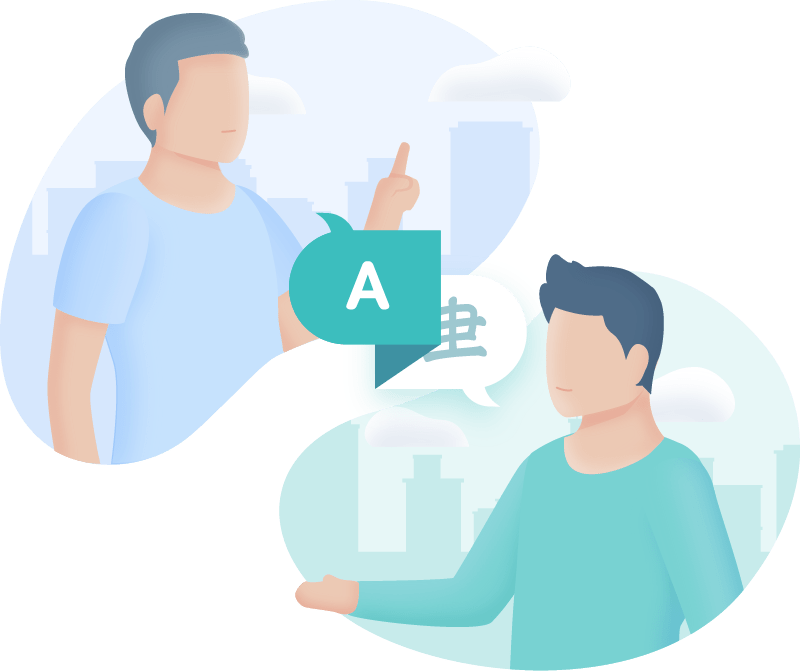
Free English Lessons
Learn English with our free English lessons. We have an entire website dedicated to learning and teaching the English language. We also have PDF ESOL resources for English teachers and students.
Learn Languages
Free language lessons to learn French, Italian, Māori, Chinese, Arabic and other languages.
FAQ
Frequently Asked Questions
How much do your Spanish courses cost?
All of our online Spanish courses and lessons are completely free and we intend to keep it that way.
Why are Woodward Spanish courses free?
We truly want to help as many people as possible to learn Spanish for free.
In many countries, learning a language can be prohibitively expensive or sometimes just not available at all. There are many people that would like to improve their current circumstances though due to financial restraints, they cannot.
I have seen parents who would like to give their children a better future though cannot pay for lessons at a language school or with private teachers. I have seen young adults with a lot of potential that don’t have the time to take language lessons on top of what they are already studying.
That is where I would like to help and why I have created these free language courses. They can be used alone as a self study tool or alongside another course you may be doing. Teachers can also benefit by having their students complete parts of these courses at home and then using the language in the classroom (thinking of flipped classrooms here).
However you use our courses, I hope you benefit from what we have created.
How is Woodward Spanish financed?
At the moment mostly via savings. We have advertisements on the website that give us a small amount of income (please don’t use your ad-blockers with our website). Some teachers and parents purchase our Printable Language Resources in PDF form which helps us a lot. At the moment these cover the costs of website hosting though there are other expenses that need to be covered like the (expensive) yearly license for Adobe products (I use Abode Illustrator to create the charts and Adobe After Effects for the Videos) and we use dedicated servers due to the number of people (millions every month) that visit our websites.
Why aren't there more lessons?
Woodward Education is not a big company with many people. It is just my wife and I doing what we can when we have time.
If there are any teachers that would like to volunteer some time or contribute material to our free courses, we would really, really appreciate it. Please send me a message via Twitter or Instagram if you are able to help in any way.